
July 2026
10
10
July 2026
What happens when bold ideas meet real-world conversations? The Beyonds Festival turned the Palais des Nations into a meeting place for creativity, collaboration and fresh thinking, opening new conversations on the world we want to build beyond 2030.
How can young people and diverse communities contribute to shaping the future of sustainable development beyond 2030, and how can their ideas find pathways into international cooperation and decision-making?
These questions were at the heart of the Beyonds Festival, held from 5 to 7 October 2026 at the Palais des Nations in Geneva. Organized by the Beyond Lab in the Office of the Director-General of the United Nations Office at Geneva (UN Geneva), the three-day Festival brought together young innovators, artists, policymakers, researchers and international partners to explore new approaches to sustainable development and multilateral cooperation.
The Festival marked the culmination of the Beyonds Challenge, a global participatory initiative that received more than 600 submissions from over 90 countries. Through high-level policy dialogues, art exhibitions, films, workshops and institutional exchanges, it explored how knowledge, creativity and lived experiences from different generations and disciplines can contribute to discussions about the world beyond 2030.
As an associated event of the first global United Nations Youth Townhall, to be convened by the UN Youth Office in Heidelberg, Germany, in December 2026, the Festival also provided an opportunity to connect ideas emerging from the Challenge with broader United Nations discussions on meaningful youth participation and the future of sustainable development.
The Beyonds Challenge and Festival have been supported by key partners across sectors and geographies, including the German Federal Ministry for Economic Cooperation and Development (BMZ), through Deutsche Gesellschaft für Internationale Zusammenarbeit (GIZ), the United Nations Youth Office, OneXplore, the International Institute for Sustainable Development (IISD), Another Narrative, the Beijing Contemporary Art Foundation, and with the longstanding support of the host country, Switzerland.
Opening the Festival, Ms.Tatiana Valovaya, Director-General of UN Geneva, emphasized the importance of collaboration across generations, sectors and institutions in addressing increasingly interconnected global challenges.
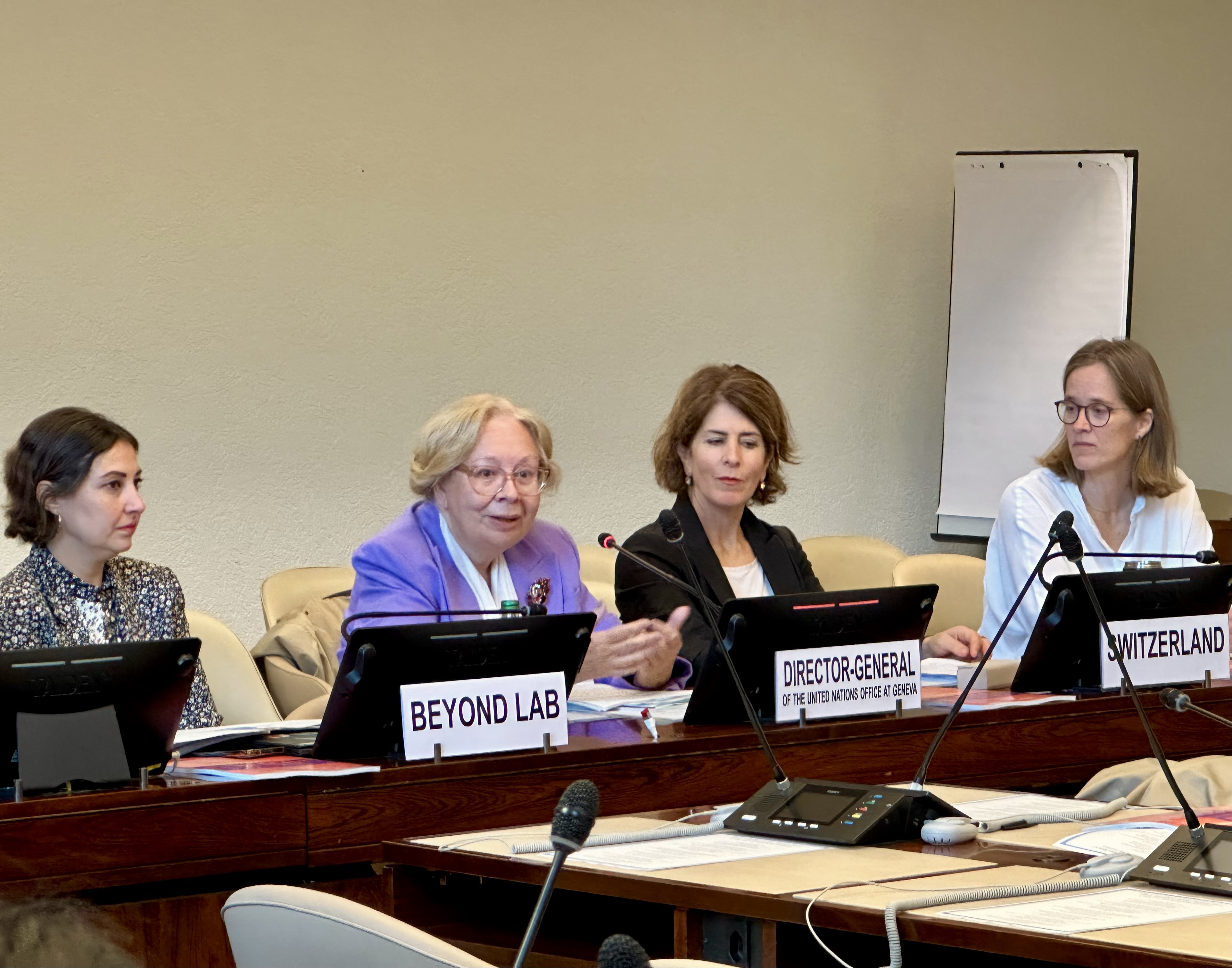
“The development challenges we face are increasingly complex and interconnected. No single institution, sector or generation can address them alone,” she said.
Joining the opening ceremony virtually, Mr. Felipe Paullier, United Nations Assistant Secretary-General for Youth Affairs, highlighted the importance of enabling young people not only to imagine the future, but above all to influence the decisions that will shape it.

“At the UN Youth Office, we are working to move youth participation from consultation to a meaningful influence,” he said.
Paullier welcomed the Beyonds Challenge and Festival as a practical example of this approach, offering a concrete opportunity for young people to engage in conversation with policymakers, experts, artists and innovators. He reaffirmed the UN Youth Office’s support for the initiative and its mission to advance systems transformation, intergenerational equity and regenerative approaches to development. This mission was not only at the core of the Beyonds Challenge and Festival, but at the core of the Beyond Lab itself: as UN Geneva’s collaborative and experimental innovation space, the Beyond Lab works across institutional and disciplinary boundaries to explore more participatory, anticipatory and action-oriented approaches to international cooperation.
“With its unique experimental mandate, the Beyond Lab combines creative, out-of-the-box thinking with practical approaches to more inclusive policymaking,” Director-General Valovaya said.
Together, these perspectives framed the Festival’s central ambition: to explore how international institutions can engage with knowledge and experiences beyond their established networks, while creating opportunities for younger generations to contribute meaningfully to shaping the future.
At the centre of the initiative were four interconnected themes identified through the Beyond Lab’s multistakeholder consultations as key elements shaping the preliminary conversations around the future of sustainable development: Regeneration, Constructive Hope, Debt to the Future and The Great Unknowns.
Such framework invited participants to consider how societies might move beyond sustaining existing systems towards regeneration, cultivate hope and collective agency amid uncertainty, rethink responsibilities towards future generations, and explore possibilities beyond established assumptions.
.jpg)
Rather than prescribing a single vision of the world beyond 2030, the Beyonds Challenge invited people of different ages, cultures and professional backgrounds to respond through their own knowledge, experiences and creative practices.
The resulting contributions ranged from policy proposals and research to films, visual arts, speculative designs, poetry and community-led initiatives. Together, they demonstrated how conversations about sustainable development can be enriched by perspectives that do not always find a place in conventional policy processes.
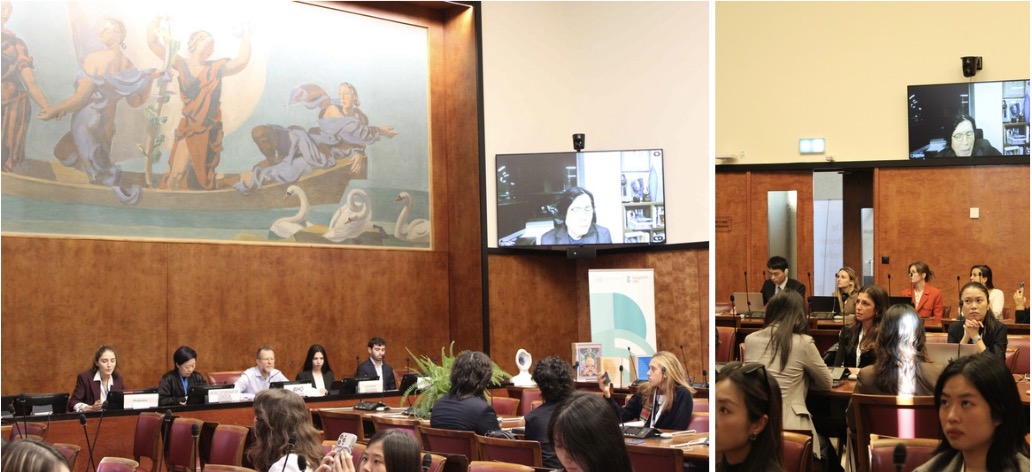
Six winning projects were selected through an international review process and presented during the Festival, offering diverse perspectives on the future of sustainable development.into exchanges with Member State representatives, international organizations, policymakers and other stakeholders. Discussions centred on three questions: How do we regenerate? How do we participate? What do we owe to the future?
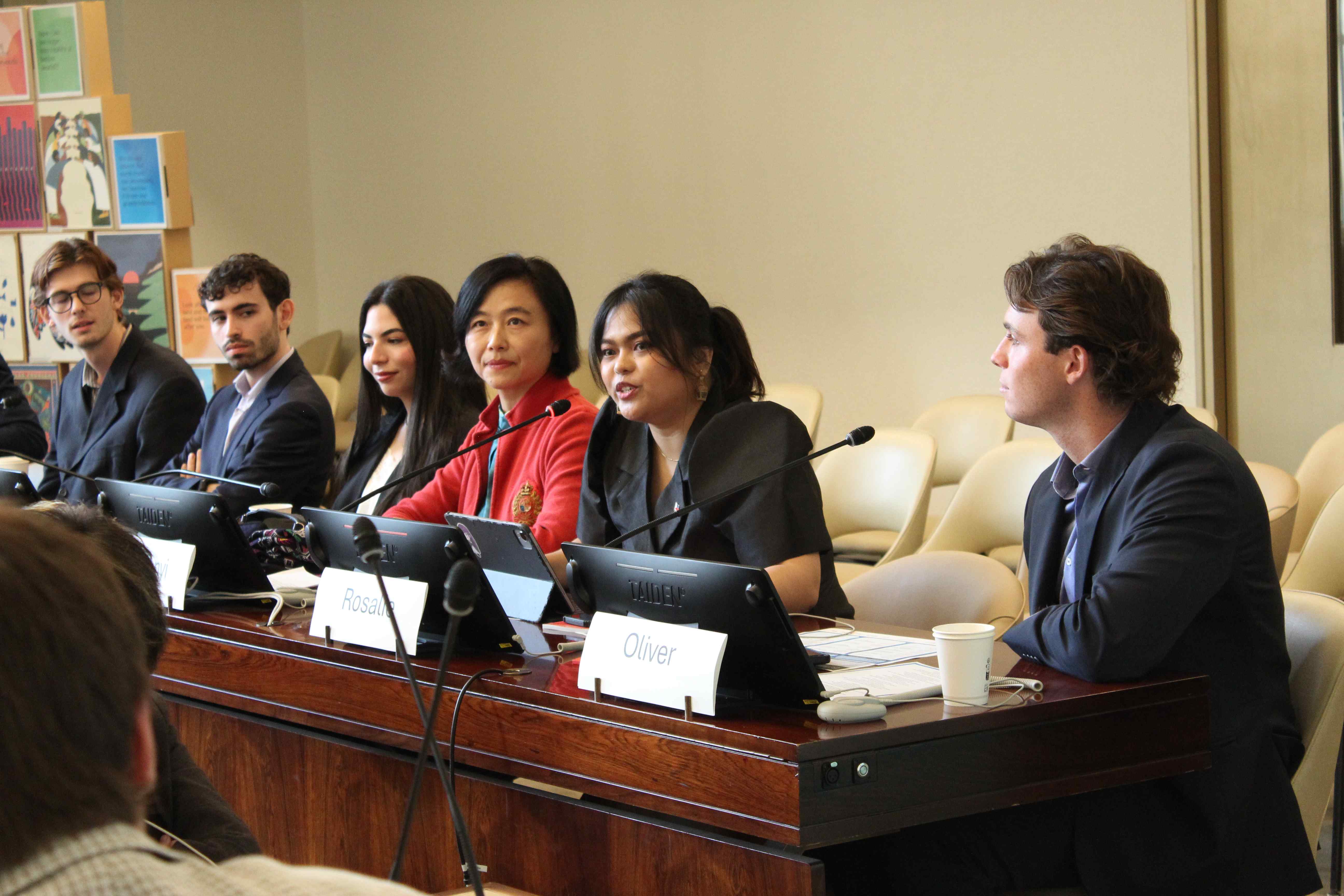
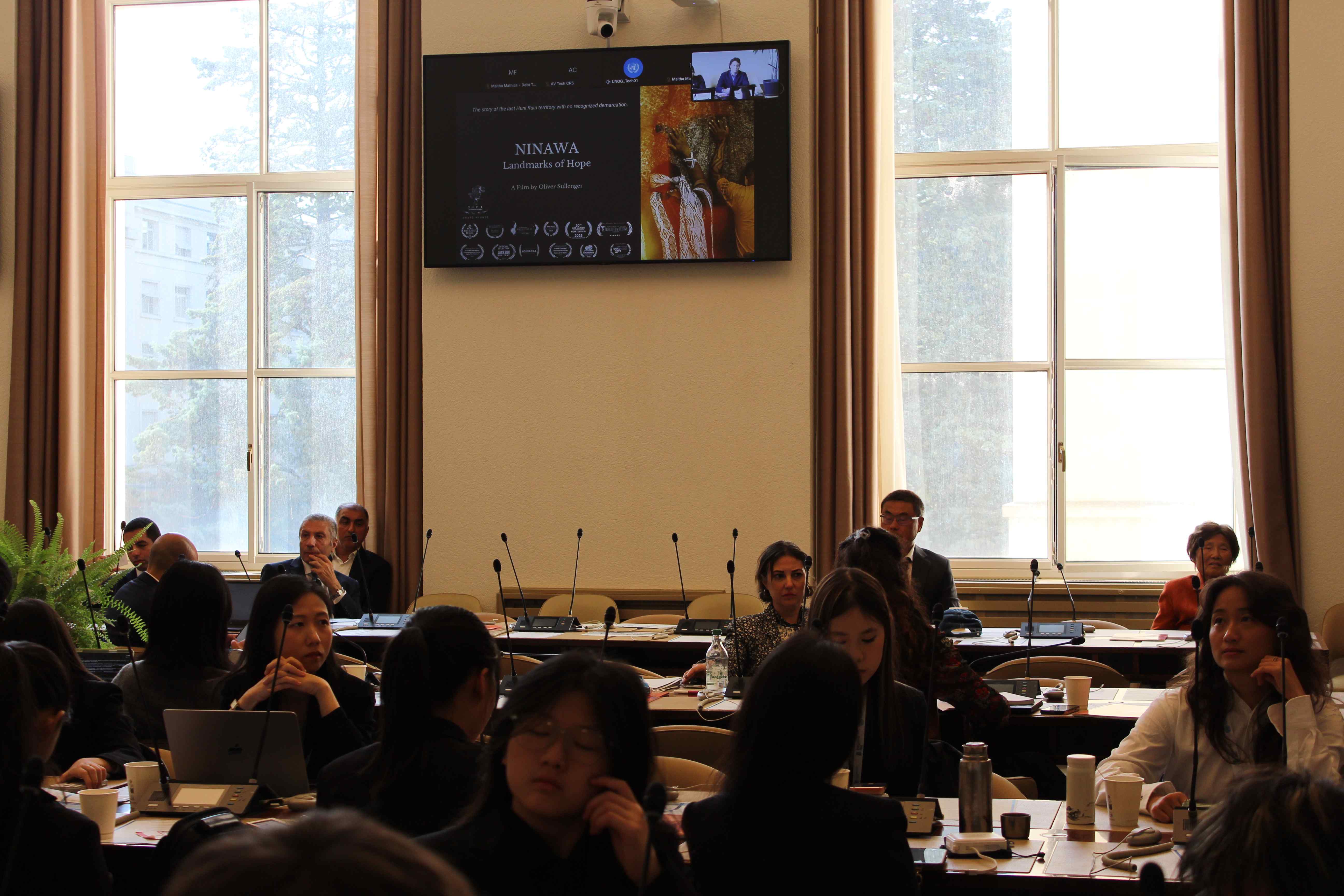
From the Philippines, Rosalie Lebante presented The Kwentuhan Model for Regenerative Design, exploring community knowledge and participatory approaches to development. Filmmaker Oliver Sullenger’s Ninawa: Landmarks of Hope highlighted Indigenous knowledge, environmental stewardship and community-led regeneration.
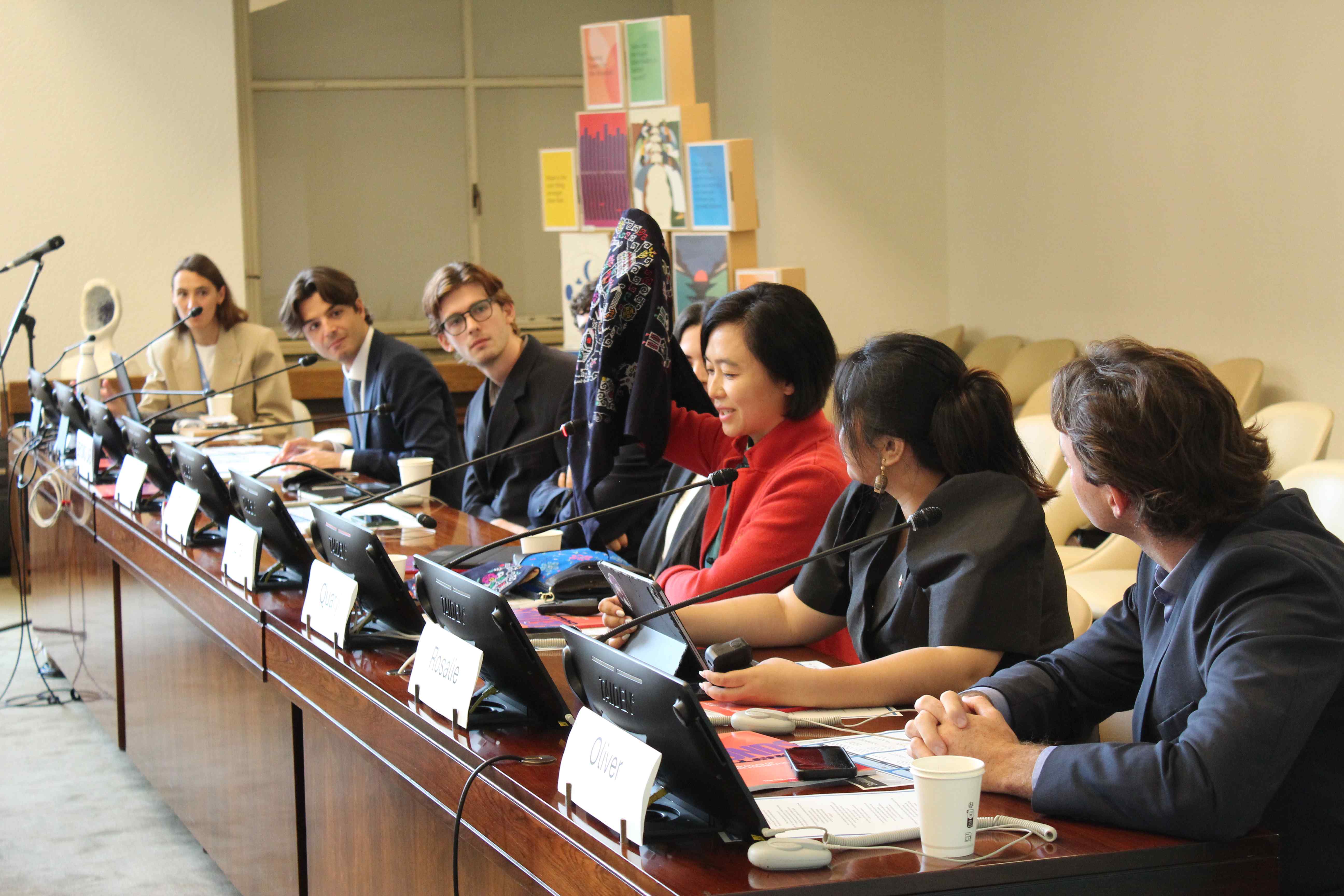
Lucas Duncan and Tomas Quintino Gouveia, through Scrolling Away from Democracy, examined the relationship between digital platforms and democratic participation, while Egyptian artist Lina Kamel’s Within explored the psychological and emotional dimensions of uncertainty.
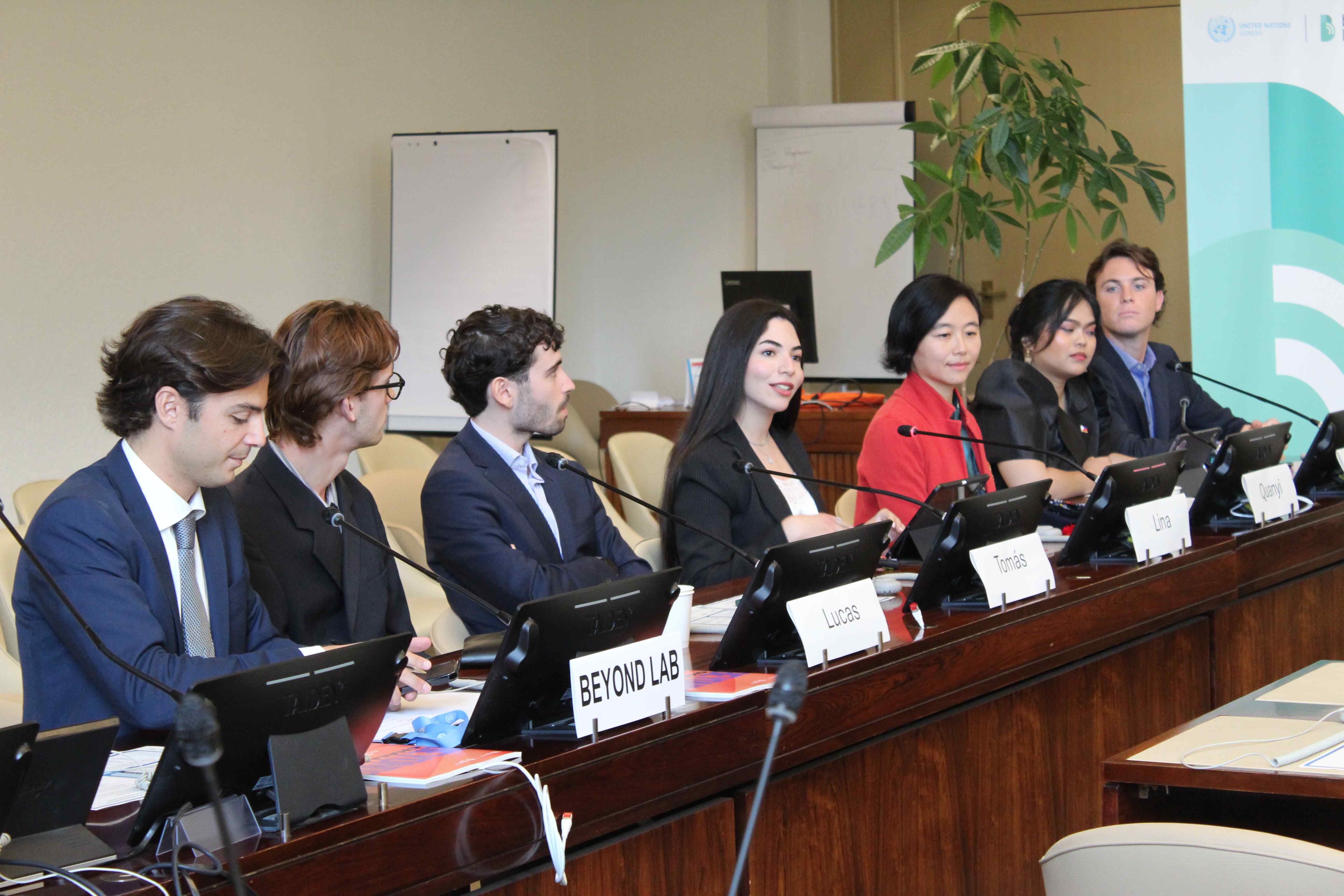
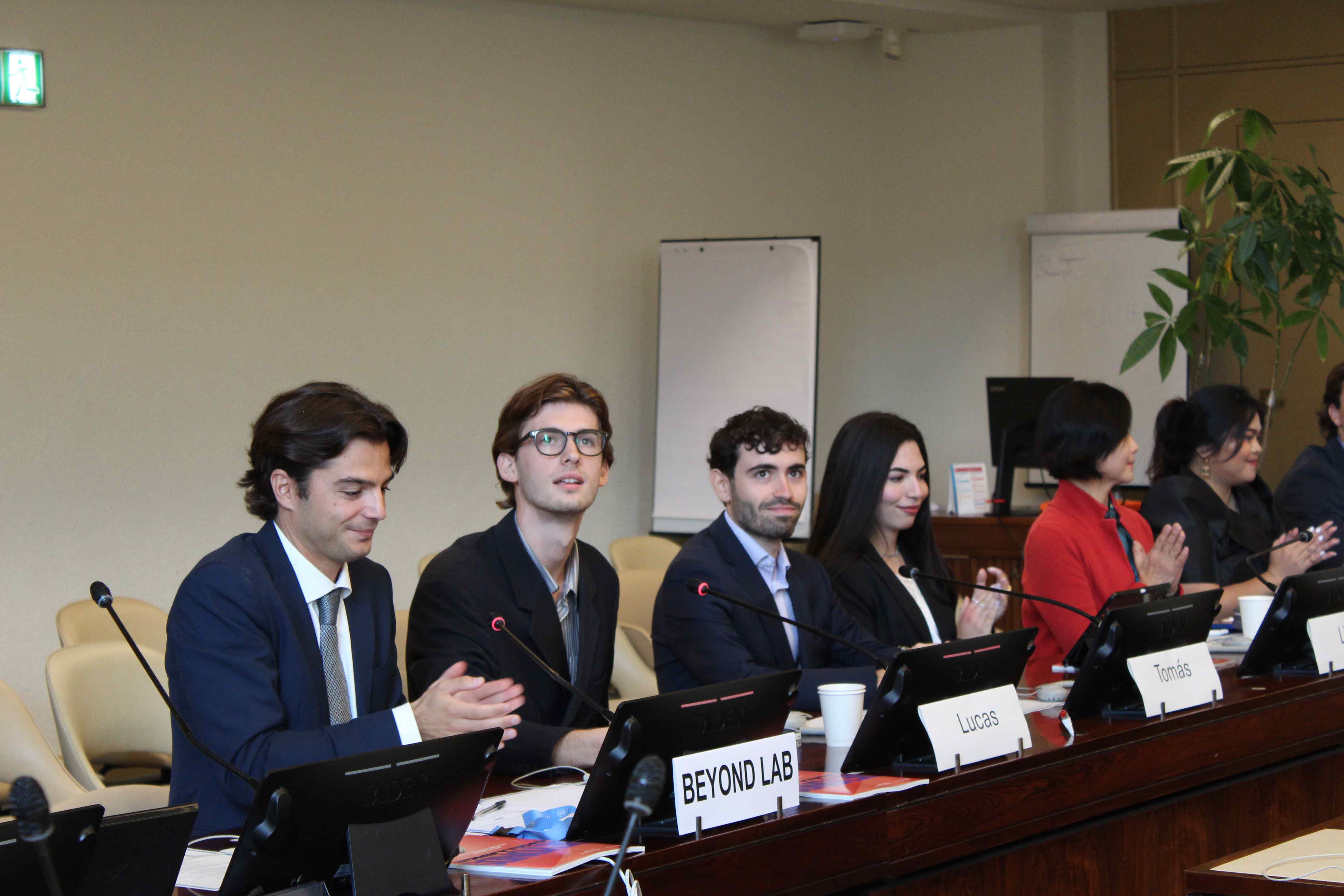
Addressing responsibilities across generations, Maitha Mathias presented The Debt to the Future – A Framework for the Post 2030 World. Quanyi Zhao and Xiangmind Mu, through The Living Heritage Ledger, examined the relationship between cultural memory, technological change and the knowledge passed between generations.
.jpg)
Together, these projects shed light on questions of participation, identity, environmental responsibility and cultural continuity as paramount considerations for future development narratives.
The Beyonds Festival extended beyond traditional policy discussions through film, visual arts, participatory workshops and institutional encounters, reflecting the initiative’s commitment to broadening how people engage with questions about the future.
A screening of Heartbeat by South Korean filmmaker Lee Chang-dong was accompanied by a moderated discussion featuring Dr Mark van Ommeren, Head of Mental Health and Substance Use Unit, the World Health Organization (WHO), bringing cinematic storytelling into conversation on mental health and human well-being, key topics emerged from the Challenge as priorities for post 2030 frameworks. The programme also included a screening of Ninawa: Landmarks of Hope, a Beyonds Challenge-winning documentary on Indigenous knowledge and community-led regeneration.
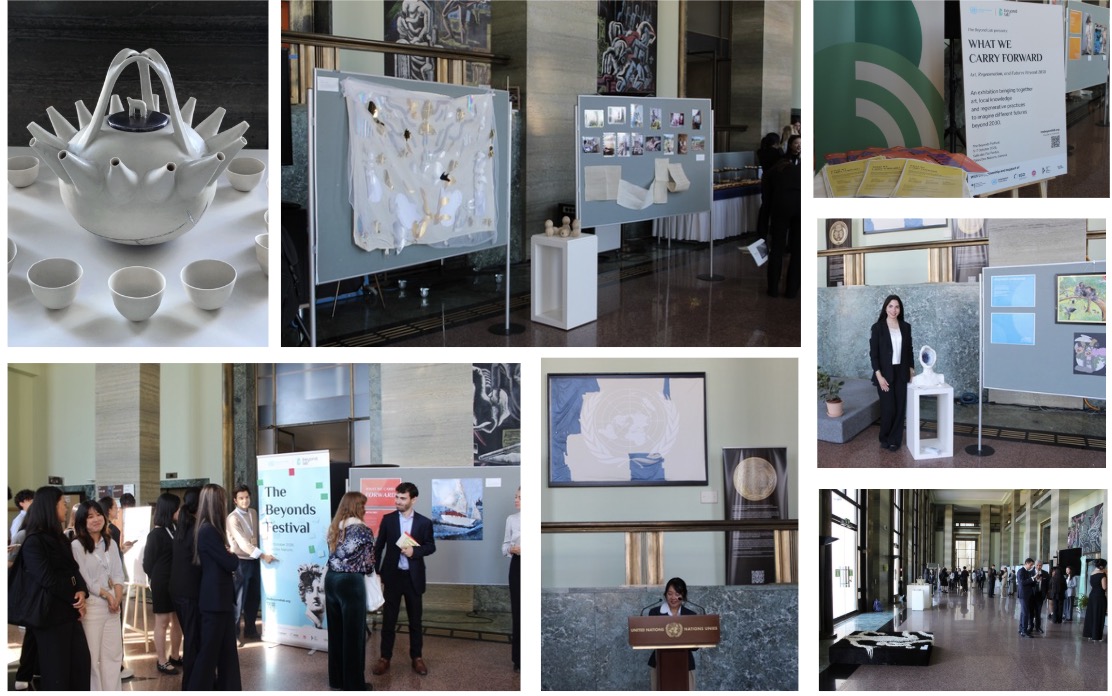
At the Salle des Pas Perdus in the Palais des Nations, the exhibition “What We Carry Forward: Art, Regeneration and Futures Beyond 2030” brought together works emerging from the Beyonds Challenge, invited artistic contributions and curatorial research. Organized around three themes — Earth, Interrupted; Second Lives; and Imagining Otherwise — it explored environmental disruption, cultural memory, inherited knowledge and alternative futures.
The Festival also offered opportunities for deeper interdisciplinary learning and experimentation, including a workshop led by Professor Hiroaki Miyata exploring “Better Co-being,” alongside sessions on long-term thinking, future-oriented governance and innovation. Institutional exchanges with United Nations representatives connected these discussions to the practical work and evolving approaches of international organizations.

Guided visits to the Palais des Nations and the Portail des Nations, including its interactive TOGETHER experience, introduced participants to the history and evolution of the United Nations and invited reflection on the future of multilateralism. Together, these activities combined creative inquiry, hands-on exchange and institutional learning, enabling participants to encounter the UN not only as a venue for dialogue, but as an institution whose future they can help imagine.
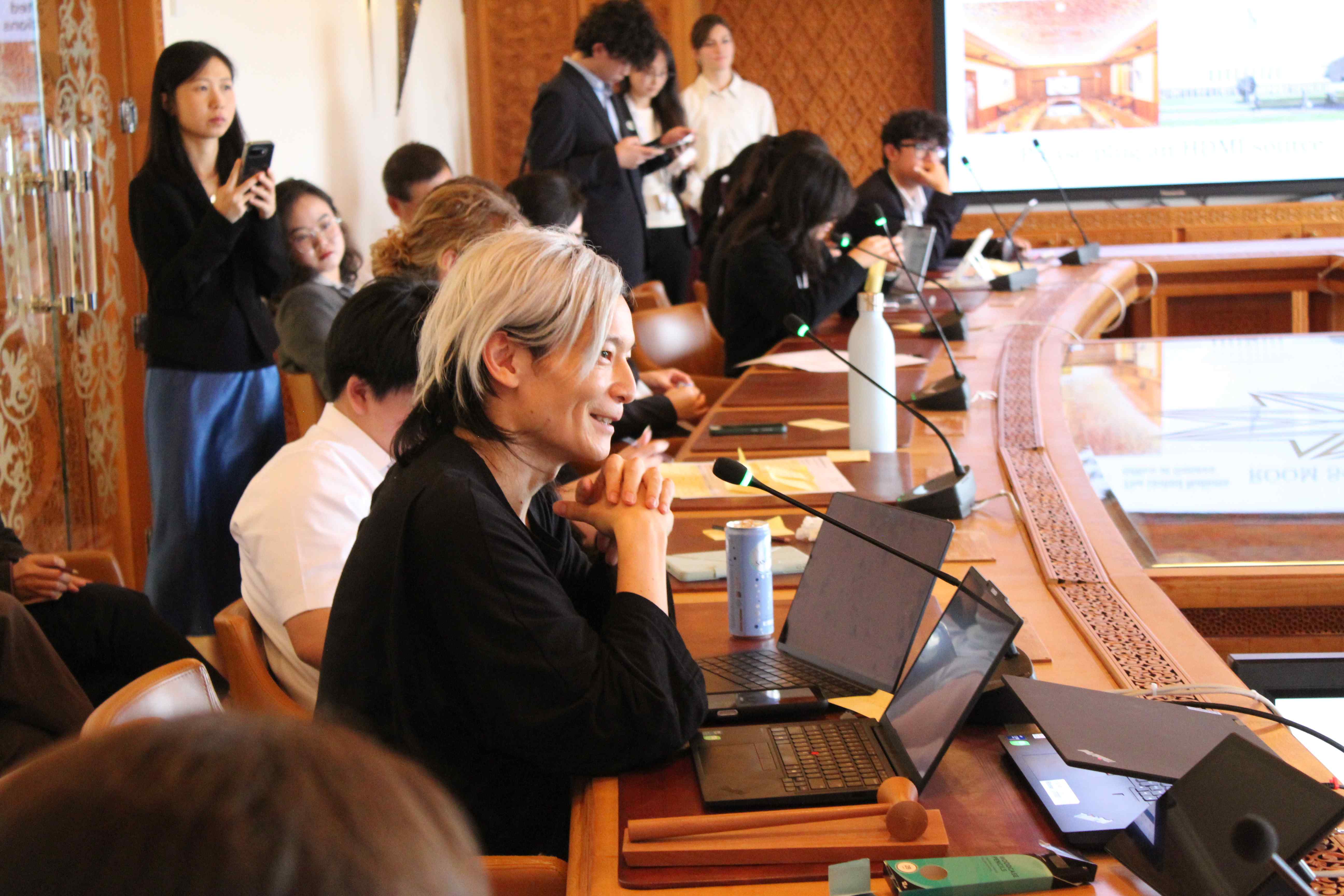
Across these different formats, the Festival demonstrated that meaningful participation in discussions about sustainable development need not be confined to conventional policy language. Art, storytelling, research and experiential learning offered complementary ways to bring different forms of knowledge into conversation.
The Festival’s significance extends beyond its three-day programme. In his opening remarks, Mr. Felipe Paullier invited participants to bring the ideas emerging from the Beyonds Challenge and Festival to the first-ever United Nations Youth Townhall, to be convened by the UN Youth Office in Heidelberg, Germany, in December 2026.
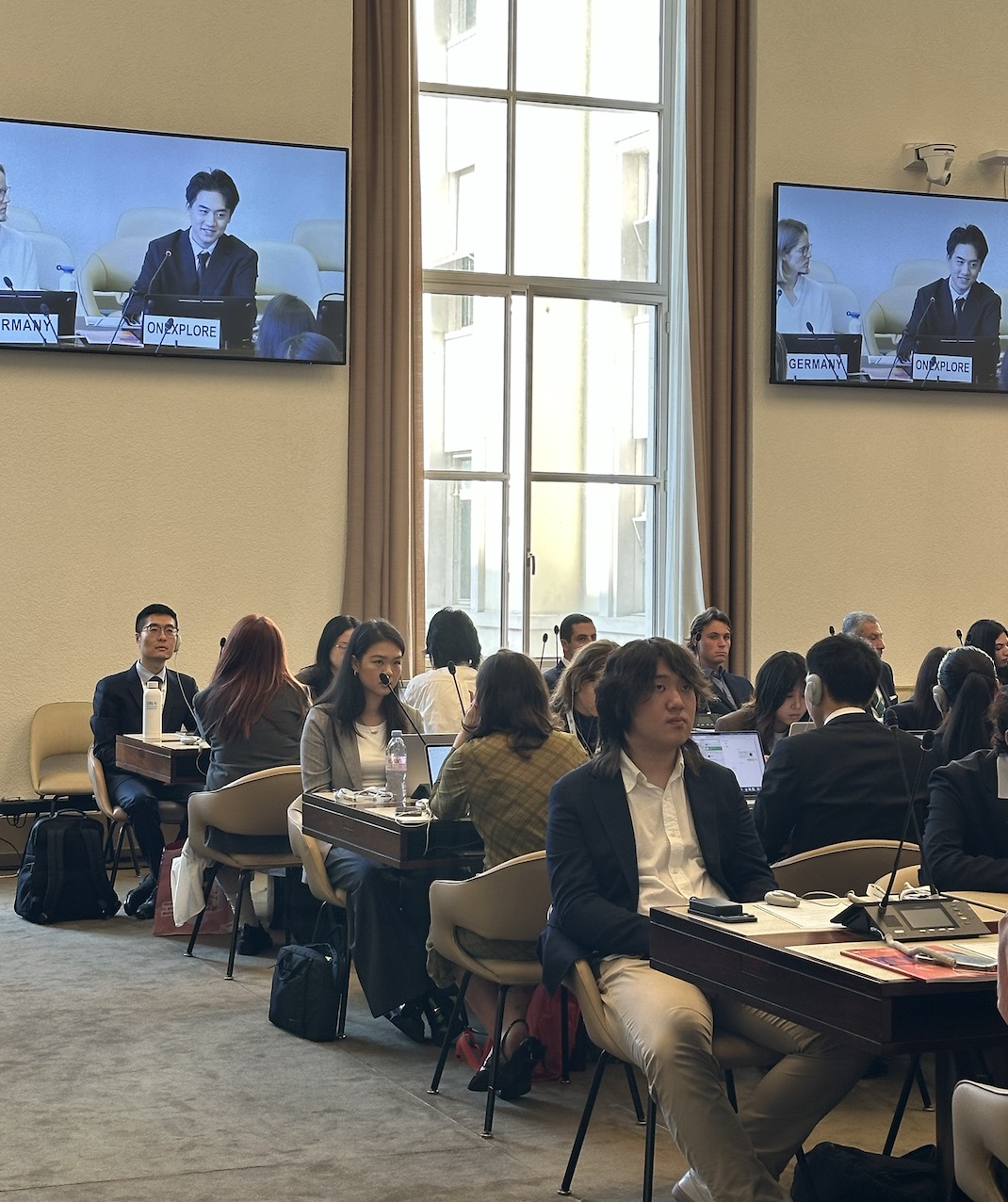
He emphasized the importance of connecting initiatives such as the Beyonds Challenge with broader multilateral processes, so that creative contributions and dialogue can help generate shared ideas, concrete commitments and opportunities for meaningful youth participation.
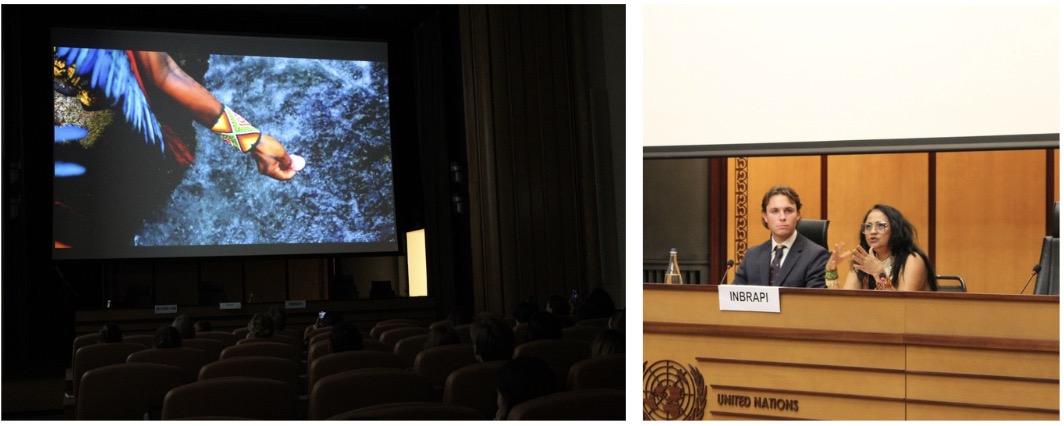
As an associated event of the Youth Townhall, the Beyonds Festival is expected to contribute perspectives and outcomes from its global Challenge and intergenerational exchanges to this wider UN-led conversation.
With preparations for the post-2030 development agenda expected to gain momentum from 2027 onwards, this connection offers an opportunity to bring intergenerational and interdisciplinary perspectives into emerging discussions from the outset.
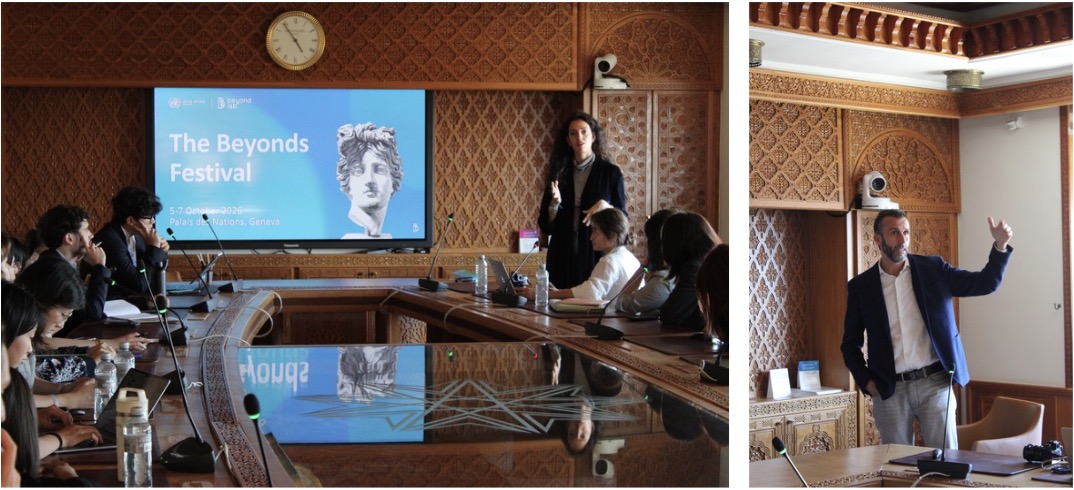
The conclusion of the Festival therefore marks a continuation rather than an endpoint. The ideas, relationships and questions generated through the Beyonds Challenge will be carried forward into further dialogue and collaborative initiatives, contributing to a wider conversation about the future of sustainable development and international cooperation.
.jpg)
There's more moments to share, stay tuned!
Photos © Beyoond Lab
