
April 2026
21
21
April 2026
Event Summary | Beyond Lab Contributes to the First Plenary of the Beyond GDP Global Alliance

The Beyond Lab contributed to the First Plenary of the Beyond GDP Global Alliance at the ECOSOC Financing for Development Forum in New York, helping shape the Alliance’s transition from political endorsement to implementation, with a focus on intergenerational approaches.
Taking place at a pivotal moment ahead of the publication of the UN Secretary-General’s independent High-Level Expert Group report on Beyond GDP and the launch of the subsequent UN-led intergovernmental process mandated by the Pact for the Future, the First Plenary focused on shaping the Global Alliance’s strategic direction, governance modalities, and first programme of work.
In a notable recognition of the Beyond Lab’s contribution to the global Beyond GDP agenda, the Beyond Lab was invited to intervene as the only non-member state speaker during Segment 1 on the objectives and proposed governance modalities of the Alliance. The intervention highlighted the importance of ensuring that Beyond GDP efforts are not only technically robust, but also socially grounded, inclusive by design, and future-oriented in practice.
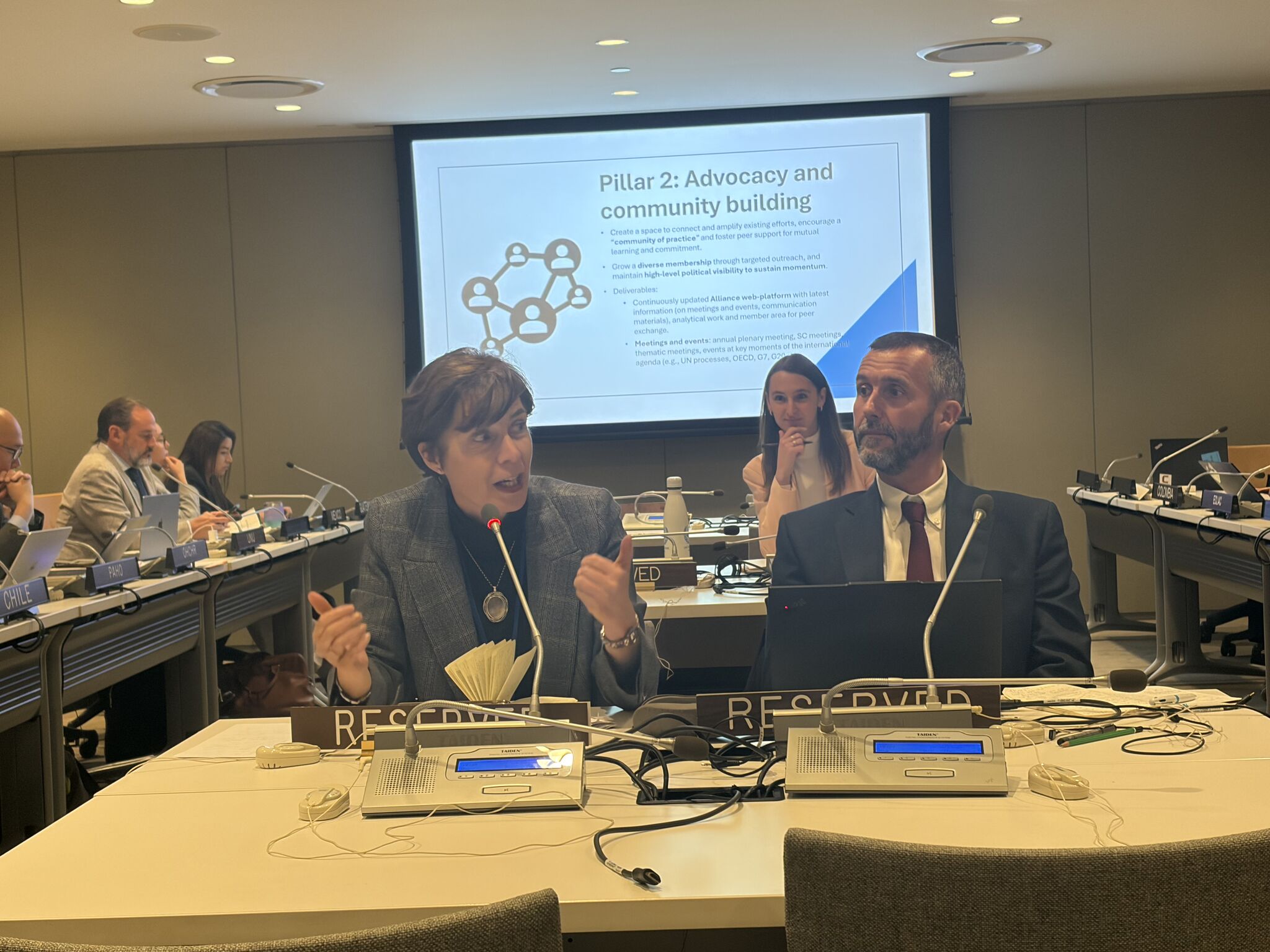
Throughout the Plenary, participants emphasized that the Beyond GDP agenda is not simply a technical discussion about indicators. Rather, it represents a broader effort to align policymaking, development cooperation, and financing systems with what societies truly value: well-being, equity, resilience, sustainability, and human rights.
Participants repeatedly stressed that the challenge is no longer a lack of metrics. Decades of analytical work have already produced a wide range of Beyond GDP frameworks and indicators. The real gap lies in political ownership, institutional uptake, and systemic integration into decision-making processes.
Discussions therefore focused on how multidimensional metrics can be embedded into planning, budgeting, financing, allocation, monitoring, and evaluation systems at national, regional, and multilateral levels. The Alliance was broadly framed as a platform capable of connecting evidence and implementation, helping governments and institutions translate measurement into concrete policy and financing reforms.
A recurring theme throughout the meeting was the need to address the limitations of GDP-centric approaches, particularly for middle-income countries (MICs), small island developing states (SIDS), and many African countries. Participants highlighted how income-based classifications often fail to capture vulnerability, inequality, resilience gaps, and structural challenges, while also affecting access to concessional finance and development cooperation.
Against this backdrop, the Beyond GDP Global Alliance was positioned as an important contributor to ongoing discussions on the future of international development cooperation and financing frameworks, especially in the lead-up to the post-2030 Agenda discussions.
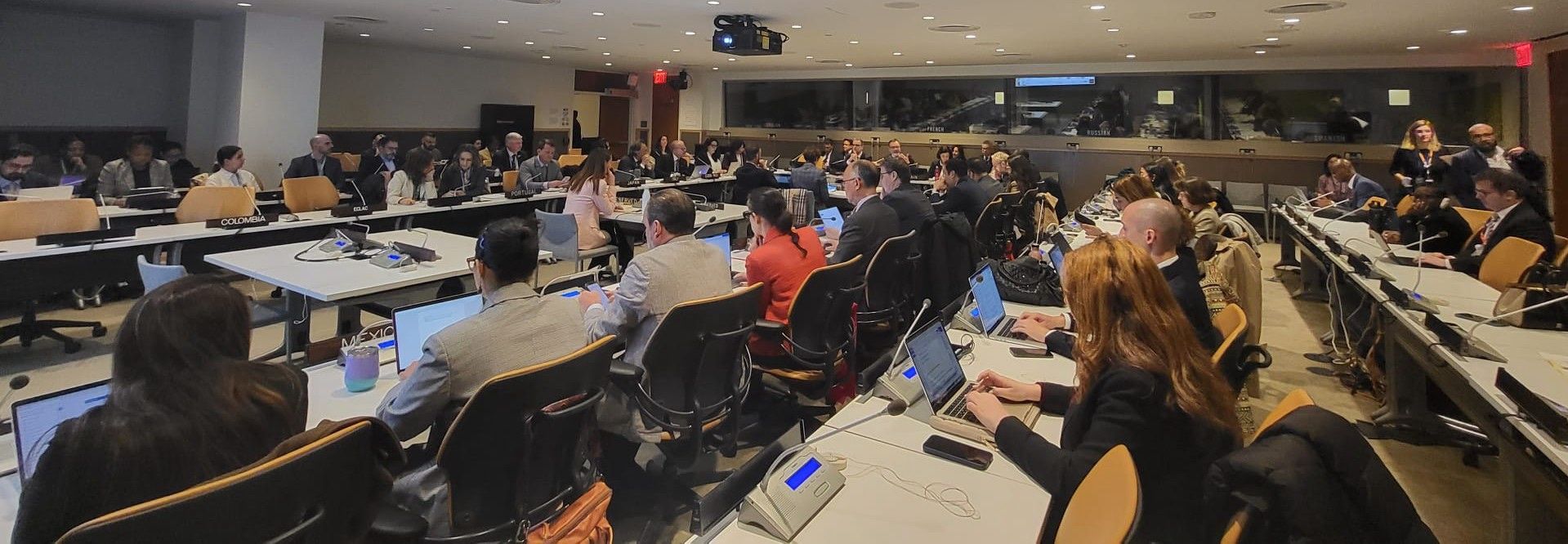
Building on the Beyond Lab’s ongoing contribution to the global Beyond GDP process, including through the “Youth Moving Beyond GDP” initiative developed in partnership with UN Trade and Development (UNCTAD) and Rethinking Economics International, the intervention emphasized the importance of embedding intergenerational participation into the operational structure of the Global Alliance itself.
The Beyond Lab welcomed the draft Action Plan as a constructive starting point capable of aligning stakeholders around shared priorities and moving collectively toward implementation. At the same time, the intervention stressed that many current measurement frameworks remain heavily expert-driven and insufficiently connected to people’s lived realities, particularly those of younger and future generations.
Without deliberate mechanisms for participation and systems learning, there is a risk of reproducing short-term decision-making patterns at a moment when governments and institutions must increasingly account for long-term sustainability, resilience, and intergenerational equity.
The “Youth Moving Beyond GDP” initiative has already developed into a global Youth Network of more than 1,000 young people across over 90 countries and has contributed to key international processes, including at the 4th International Conference on Financing for Development and the Second World Summit for Social Development. The initiative’s contribution aims to embed structured intergenerational participation into the Alliance’s governance and activities; translate grassroots and youth perspectives into actionable policy recommendations; and connect policymaking and intergenerational engagement across global, regional, and national levels.
The intervention further emphasized that this proposal directly supports the implementation of existing international commitments, including SDG 17.19, the Pact for the Future, and the Sevilla Commitment, by ensuring that intergenerational equity becomes an operational foundation of Beyond GDP approaches rather than remaining a purely aspirational principle.
A major focus of the plenary was the relationship between the Alliance and the forthcoming UN-led intergovernmental process following the publication of the High-Level Expert Group’s recommendations.
Participants broadly agreed that the Alliance should not replace formal intergovernmental negotiations, but rather complement and support them through policy experimentation, evidence-sharing, implementation pathways, and sustained dialogue across institutions and stakeholders.
In this context, the Beyond Lab reaffirmed its commitment to supporting the follow-up process to the High-Level Expert Group and highlighted the important recognition already given to the contributions of the “Youth Moving Beyond GDP” initiative within the Expert Group’s work.
The intervention also stressed the importance of anchoring discussions across multiple multilateral hubs, including Geneva, in order to better connect measurement debates with broader policy, financing, and governance processes across the UN system.
This call reflected a wider understanding shared throughout the First Plenary: moving Beyond GDP requires bridging traditionally fragmented communities, including statisticians, policymakers, finance ministries, multilateral institutions, civil society, academia, and youth networks, into a more coherent and action-oriented ecosystem.

The first plenary meeting confirmed strong political and institutional support for the Beyond GDP Global Alliance as a strategic platform capable of linking measurement, policy, and financing reform.
Importantly, discussions consistently returned to the need to move from framework-building toward practical delivery. The Global Alliance’s success, participants noted, will ultimately depend on whether Beyond GDP approaches are meaningfully integrated into the systems that shape development outcomes: budgeting, financing, planning, evaluation, and international cooperation.
For the Beyond Lab, this next phase represents an important opportunity to help ensure that the future of development measurement is not only multidimensional, but also intergenerational and grounded in lived realities.
As the global Beyond GDP agenda enters a new institutional phase, the message emerging from the plenary was clear: redefining progress is no longer only about improving metrics. It is about transforming how societies define value, make decisions, and invest in the well-being of both current and future generations.
