
April 2026
30
30
April 2026
Guest Article | Beyond Aid: Rethinking African Development through Sovereignty, Capability and Well-being

By Geoffrey Ochieng, member of the Youth Network on Beyond GDP
A note to the reader: The Beyond Lab invites guest authors to contribute fresh perspectives and practical insights on sustainable development, systems change and future-oriented policymaking. These guest articles help foster meaningful dialogue, inspire new thinking and advance collaborative approaches to shaping more inclusive sustainable futures. The views expressed in guest articles are those of the authors and do not necessarily reflect the views of the Beyond Lab or, more broadly, the United Nations.

Africa's development conversation often begins with a familiar question: how much financing is needed to address the continent's challenges? Yet, an equally important question deserves greater attention: how can African countries build the capacity to define, finance and implement their own development priorities while ensuring that progress translates into better lives for their people?
These questions stayed with me during AfricaXchange Nairobi 2026, held from 27 to 29 April 2026 under the theme Money, Markets & Mindsets. Participating as a representative of the Youth Network on Beyond GDP offered an opportunity to reflect on development not only as a question of resources, but also of ownership, institutional capability and the outcomes societies choose to value.
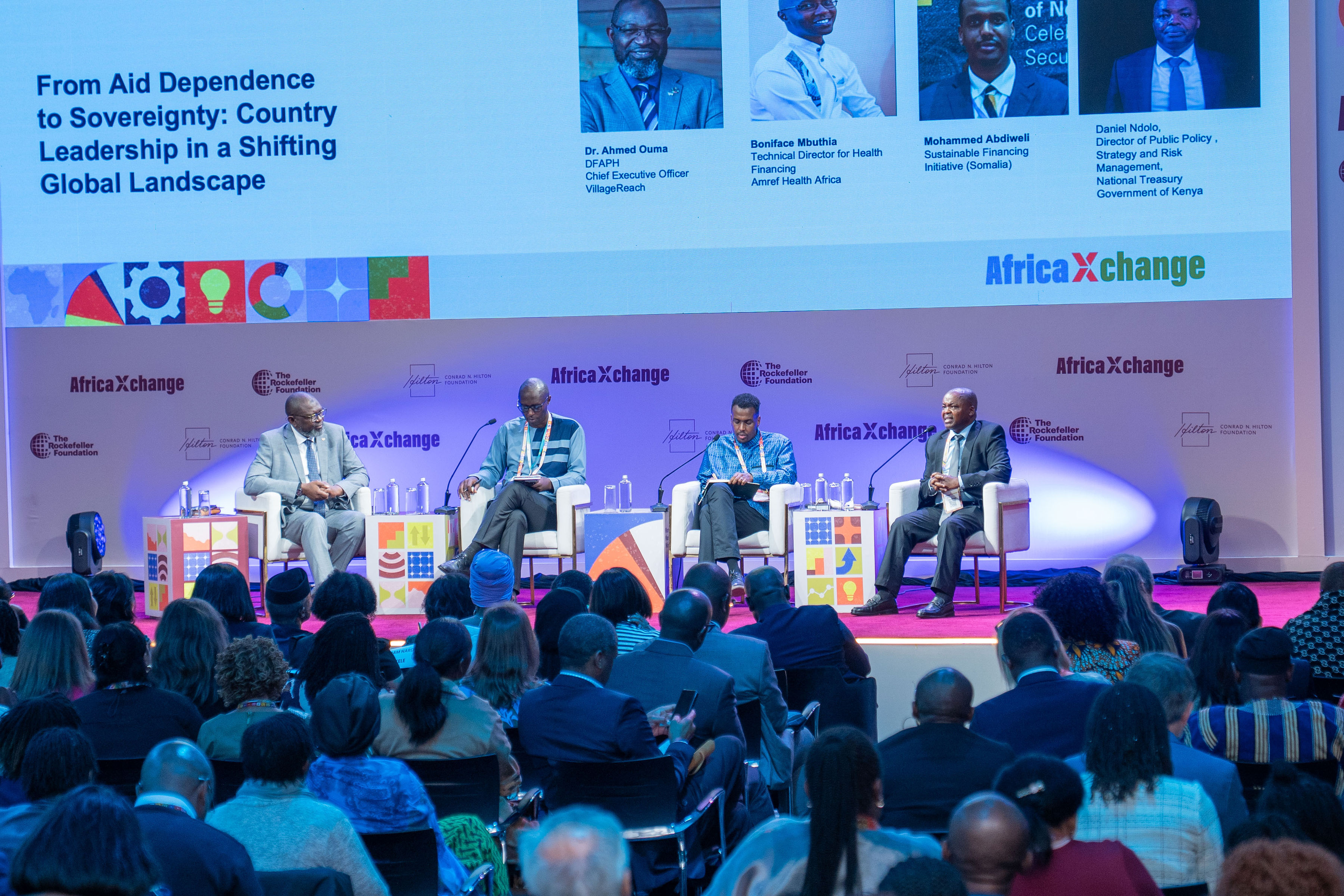
One of my strongest takeaways came from the plenary on From Aid Dependence to Sovereignty. The discussion challenged me to consider how deeply external assistance has become embedded in the way we imagine development in Africa.
Foreign aid can play an important role in addressing urgent needs and supporting development initiatives.
The concern, however, is what happens when dependence on external financing becomes so entrenched that locally conceived solutions struggle to gain recognition without external partnerships, funding or validation.
Africa is not without ideas, talent or resources. Nevertheless, we must ask whether our development systems sufficiently enable African institutions and communities to determine their priorities and execute them sustainably.
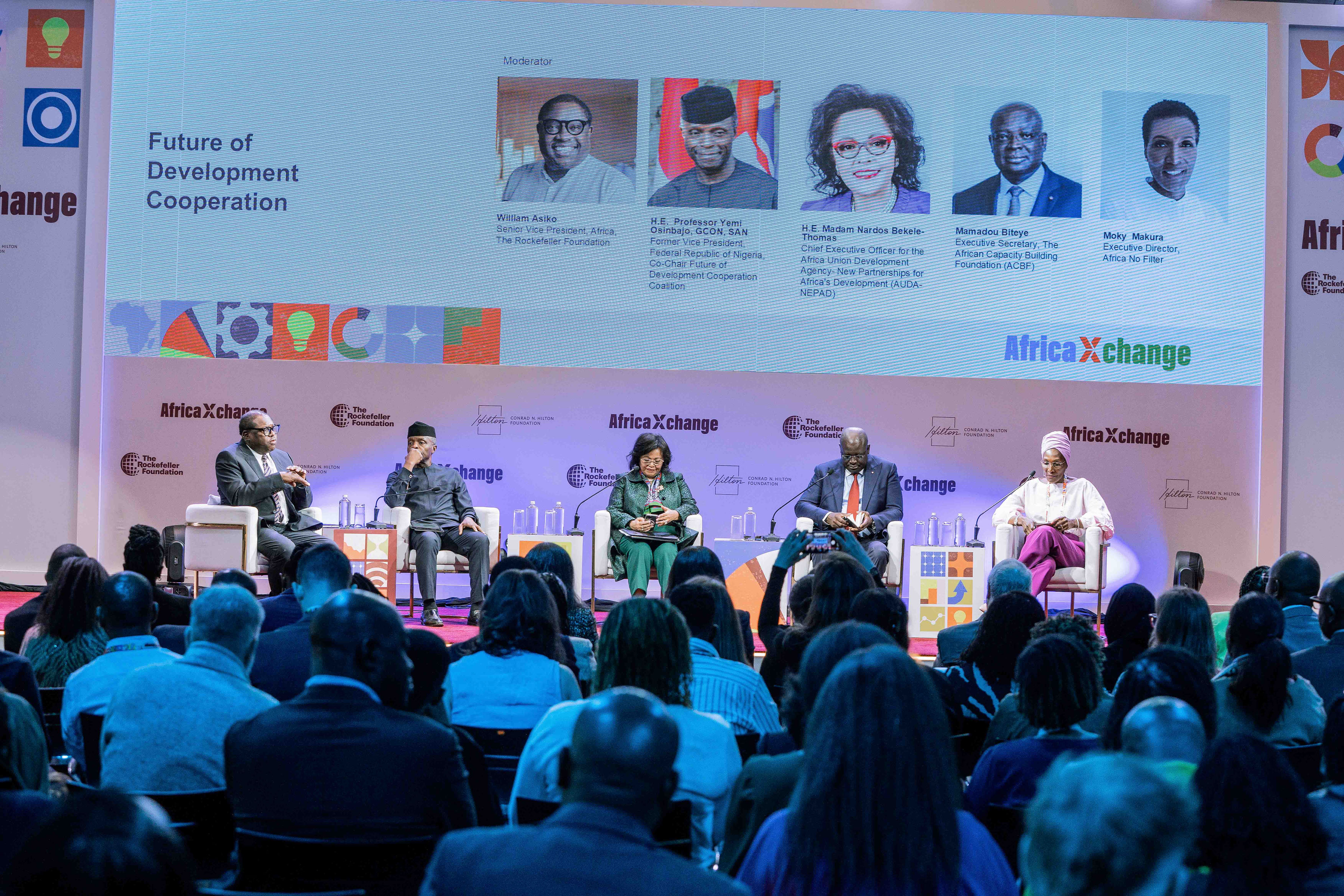
The first day's discussions, including The Future of Development Cooperation and From Capital to Capability, reinforced the importance of moving beyond fragmented interventions towards stronger institutions and locally driven systems. For me, the central lesson was that sovereignty is not simply about where money originates. It is also about who sets priorities, who makes decisions and who remains accountable for the results.
The second day, focused on markets, expanded this reflection. Discussions on climate-resilient agriculture, food security, clean energy, and artificial intelligence and digital innovation illustrated the range of opportunities available to African countries.
These sectors require more than short-term funding. They depend on reliable infrastructure, capable institutions, viable markets, skilled people and collaboration across borders. Investment in these foundations can help African-led solutions grow beyond isolated projects and respond to needs at scale.
This raises an important question about development finance:
Are we building systems that can continue delivering value long after a particular funding arrangement ends?
The answer requires attention to how projects are designed, who owns the resulting assets, how local capacity is developed and whether communities benefit from the outcomes. It also requires transparent governance. When decisions about public resources or investment agreements are made without sufficient public accountability, citizens may have little opportunity to understand or influence choices that affect their future.
African ownership must therefore go hand in hand with responsible institutions, transparency and meaningful public participation.
As a member of the Youth Network on Beyond GDP, I see another dimension to this conversation. Mobilising capital, expanding markets and increasing economic output are important, but they do not tell the whole story of development.
We must also ask who benefits from economic growth, whether opportunities are becoming more inclusive, and whether development is improving people's well-being while protecting the interests of future generations.
A successful investment should not be evaluated only by its financial value or the economic activity it generates. Its contribution to livelihoods, access to essential services, resilience and environmental sustainability also matters.
This perspective became particularly relevant during the third day, which focused on mindsets, leadership and action. Conversations about emerging leadership and Africa's development over the next decade brought together different perspectives on the continent's future. I found these exchanges valuable because they created room to question assumptions and consider what meaningful progress might look like across different African contexts.
Young people must be part of these conversations not merely as beneficiaries of development programmes, but as contributors to defining priorities, evaluating outcomes and shaping the policies that will influence their future.
AfricaXchange left me reflecting on the need to move beyond a development model centred primarily on securing external assistance. The task ahead is to strengthen the institutions, markets and capabilities that enable African countries to turn their resources and ideas into lasting public value.
This does not mean rejecting international cooperation. It means approaching cooperation as a partnership built on shared responsibility, transparency and African agency.
Ultimately, Africa's development should be measured not only by the capital mobilised, projects launched or economic growth recorded, but also by whether people experience meaningful improvements in their lives.
The question is no longer simply how much development financing Africa can attract. It is how effectively we can use our resources, institutions and collective imagination to shape a future that reflects our priorities and delivers lasting progress for our people.

To learn more about AfricaXchange, powered by the Rockefeller Foundation and in partnership with the Conrad N. Hilton Foundation, visit: AfricaXchange | RF.
